How can universities turn project achievements into sustainable institutional change?
Beyond Project Results: Building Lasting Impact Through Collaboration. HEI2MARKET at the EIT Higher Education Initiative Sensemaking Gathering
How can universities ensure that the results achieved through projects continue to create value long after the projects themselves come to an end?
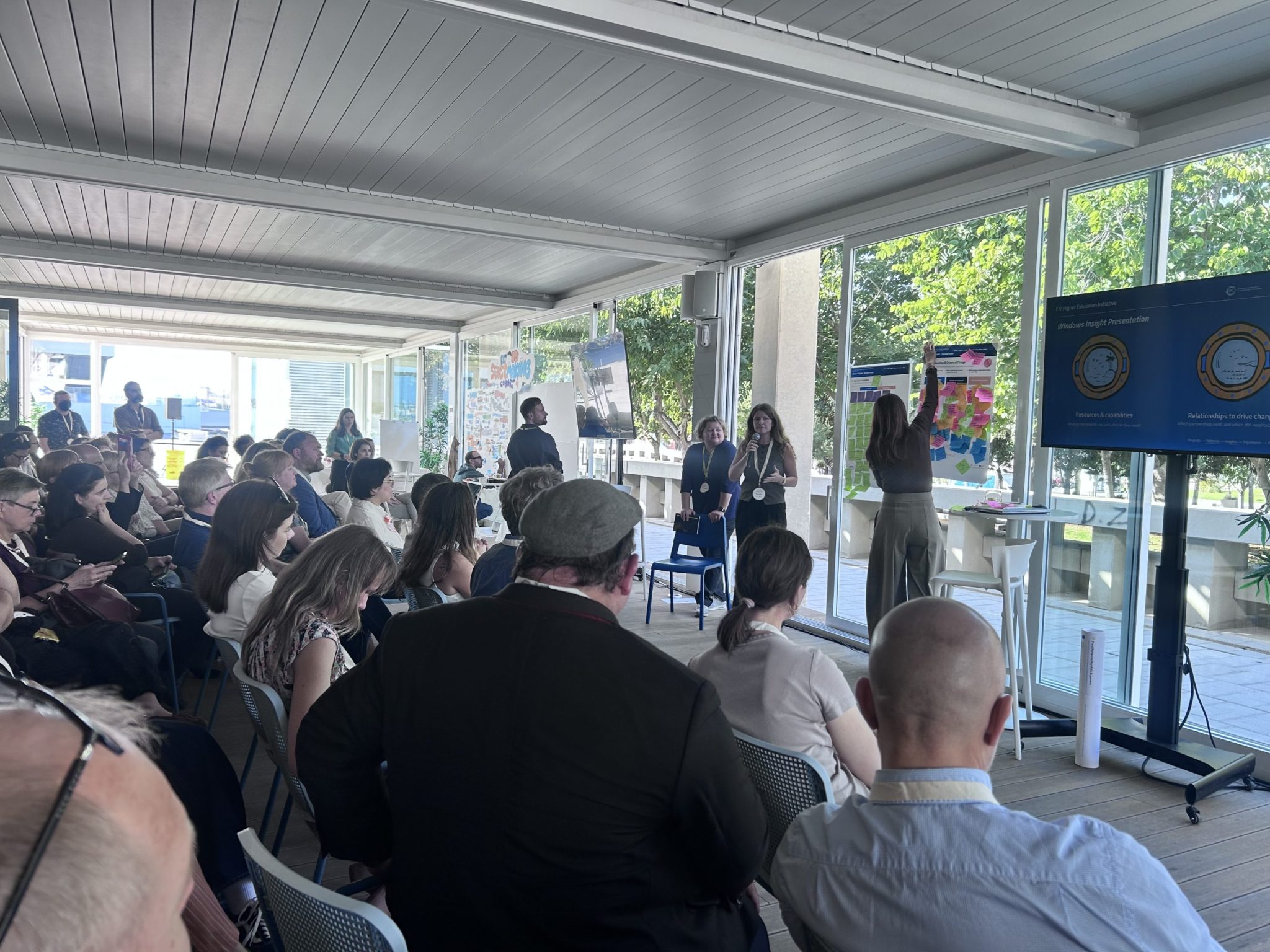
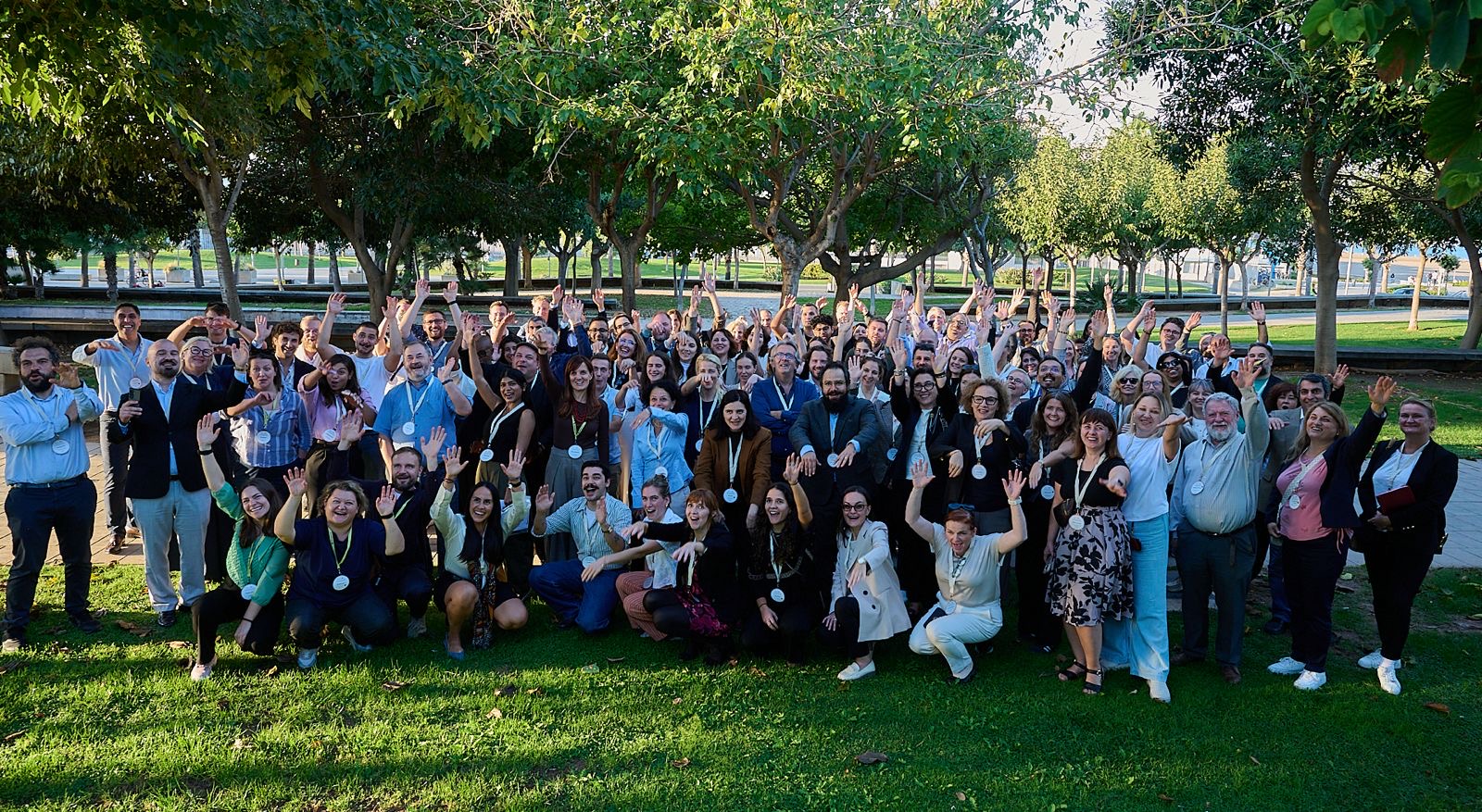
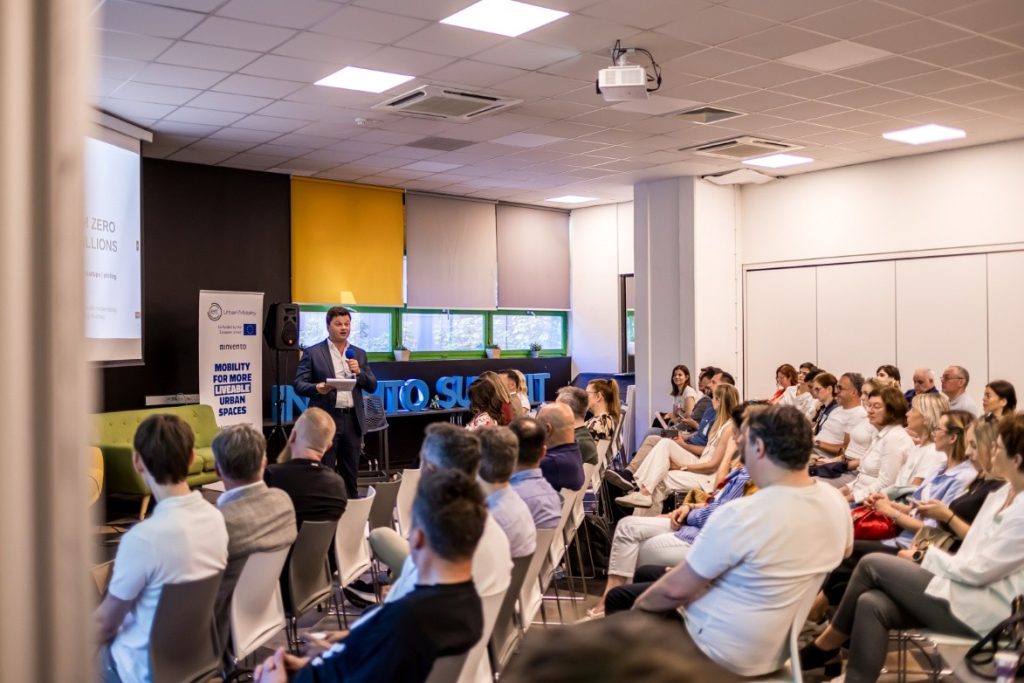
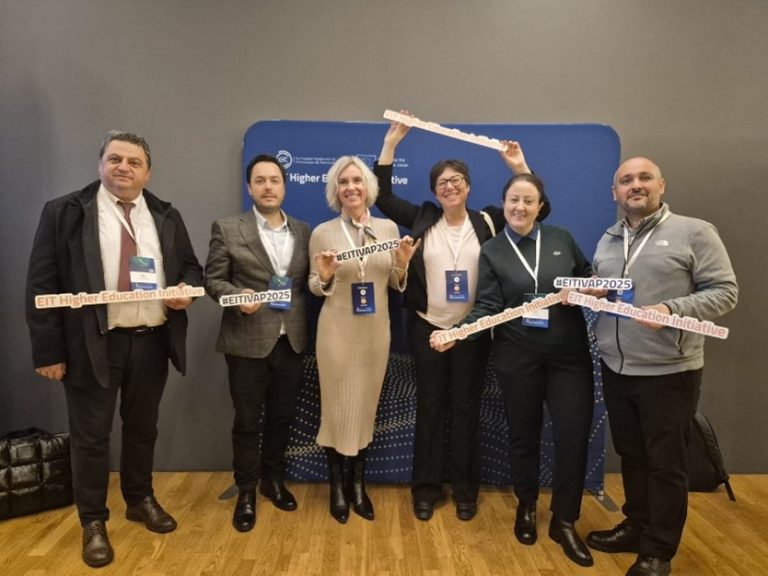
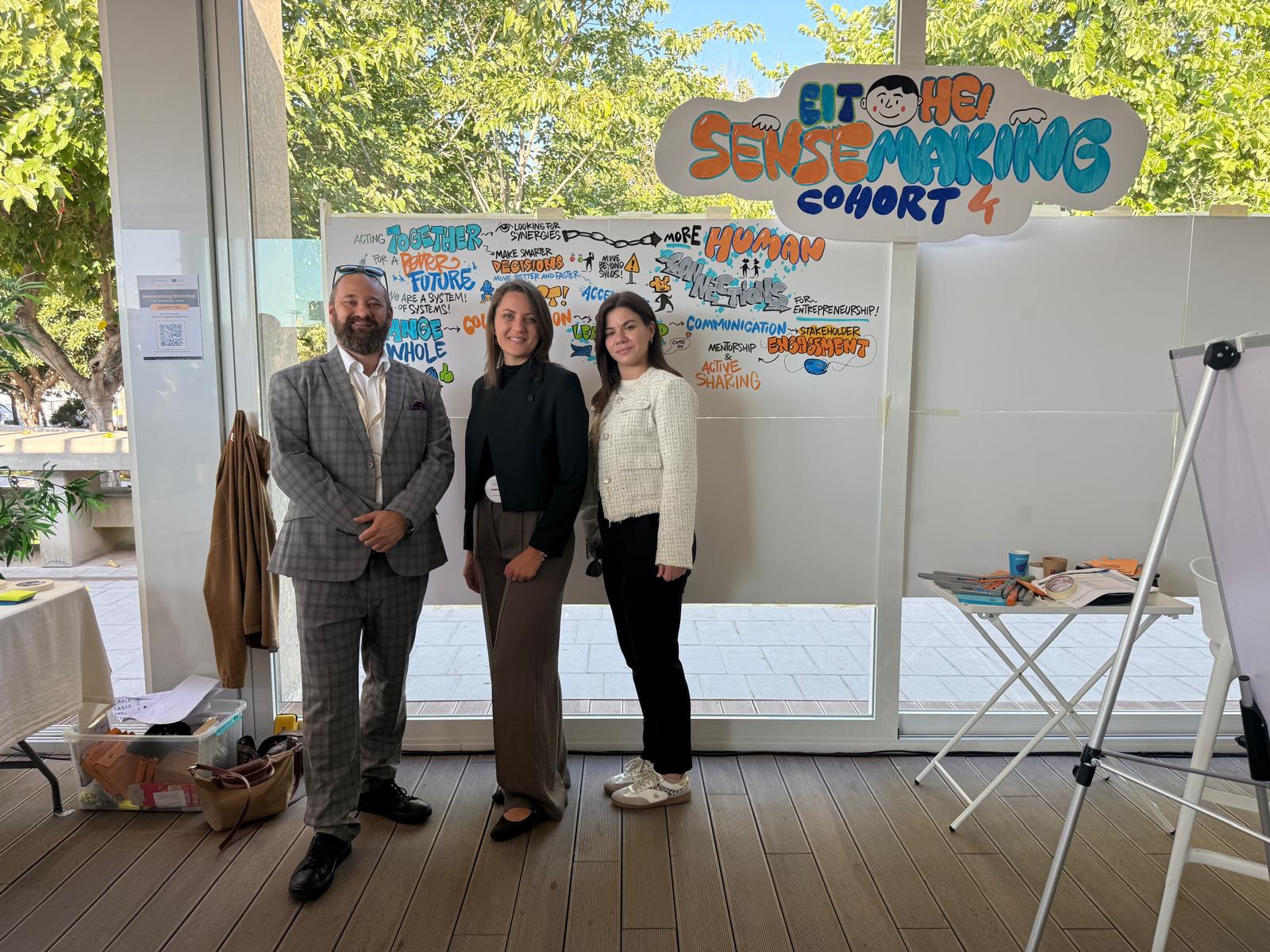
This was one of the central questions explored at the EIT Higher Education Initiative (HEI) Cohort 4 Sensemaking Gathering, held in Valencia from 28 to 30 October 2026. The HEI2MARKET project took part in this three-day event, represented by Project Coordinator Nikolina Hojsak and Maja Đurđek from University North, alongside mgr Bartosz Jadam from the University of Rzeszów, one of the project’s partners.
Bringing together more than 100 participants representing 47 projects, the gathering offered a valuable space for networking, knowledge exchange and joint reflection on how project outcomes can evolve into meaningful, long-term changes within higher education institutions and their wider innovation ecosystems. Rather than focusing solely on completed activities and project deliverables, the gathering encouraged participants to look at the bigger picture: what happens after a project ends, and how can its achievements become part of everyday institutional practice?
Through interactive workshops, collaborative discussions and co-creation exercises, participants examined common challenges, exchanged perspectives and explored practical approaches to strengthening the long-term impact of their projects. The process also encouraged them to identify possible solutions, understand the reasoning behind them and translate ideas into concrete actions and expected results. A recurring theme throughout the discussions was the importance of embedding innovation and entrepreneurship into university structures, strategies and organisational culture. Strong partnerships, active stakeholder engagement and closer connections between academia, business and the wider community were recognised as essential elements of sustainable transformation.
These priorities are closely aligned with the mission of the EIT Higher Education Initiative, which empowers higher education institutions to strengthen their innovation and entrepreneurial capacities, develop new forms of collaboration and connect education, research and business in addressing real-world challenges.
The exchange of experiences in Valencia highlighted several important lessons that can help projects move from successful implementation towards sustainable change:
- Think beyond project deliverables. Long-term impact should be assessed not only through completed activities and performance indicators, but also through the broader changes and value created for institutions and their ecosystems.
- Start measuring impact early. Relevant impact indicators should be identified from the very beginning, allowing projects to monitor progress and understand their contribution to wider transformation.
- Make every achievement count. Small successes at the level of individual partners, projects and the wider initiative deserve recognition. Sharing these stories helps demonstrate how individual contributions can lead to larger changes.
- Bring people together as ambassadors of change. Sustainable impact requires engagement beyond project teams. Students, researchers, businesses, public institutions and other stakeholders all have a role to play in carrying project results forward.
- Make sensemaking part of the journey. Reflection and collective learning should not be reserved for the final stages of a project. Introducing sensemaking activities early on helps teams recognise challenges, adapt their approaches and maintain a shared vision.
Turning shared learning into future action
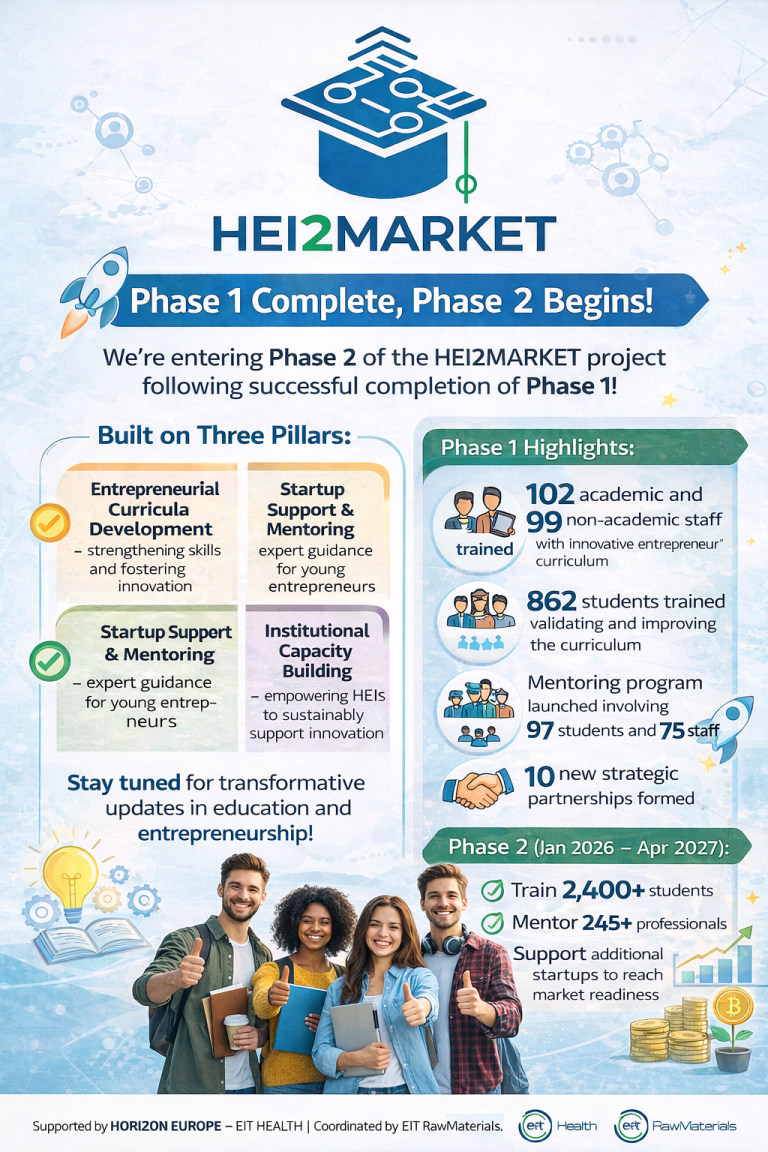
For the HEI2MARKET team, the gathering in Valencia was an opportunity to exchange experiences with fellow Cohort 4 projects, gain new perspectives and reflect on how the project’s achievements can contribute to lasting institutional and ecosystem development.
One message stood out across the discussions: a project’s real impact is not defined only by what it accomplishes during its lifetime, but by what continues to grow from those achievements afterwards.
For HEI2MARKET, this means looking beyond individual project activities and focusing on how strengthened innovation capacities, entrepreneurial mindsets and partnerships can create lasting value for higher education institutions and their communities.
We would like to thank Climate KIC and the EIT Higher Education Initiative for organising and facilitating this excellent gathering and for providing a platform for meaningful exchange, collaboration and collective learning.